Best Oblique Crunches
7 Exercise Variations to Sculpt Your Midsection
By: Jeremy Fox, CNC, CPT – Published: September 8, 2021
Regular crunches mainly work only the abdominal muscles on the front of your stomach. So if you want to target your love handles, you need something more.
Oblique crunches put a new twist on plain old sit-ups. With this movement, you strengthen and tone the sides of your midsection.
However, there’s a variety of crunches for your obliques. So I’ll show you 7 ways to do oblique crunches for a shredded midsection.

What Are Oblique Crunches?
Oblique crunches are very similar to regular crunches, except they incorporate a subtle rotation as you perform the movement. This twisting motion is what activates the muscles in the sides of your abdomen.
The term oblique crunches can apply to several different crunch variations. Including standing, laying, hanging, and more. So I’ll describe each of those in more detail below.
Oblique Crunches Muscles Worked
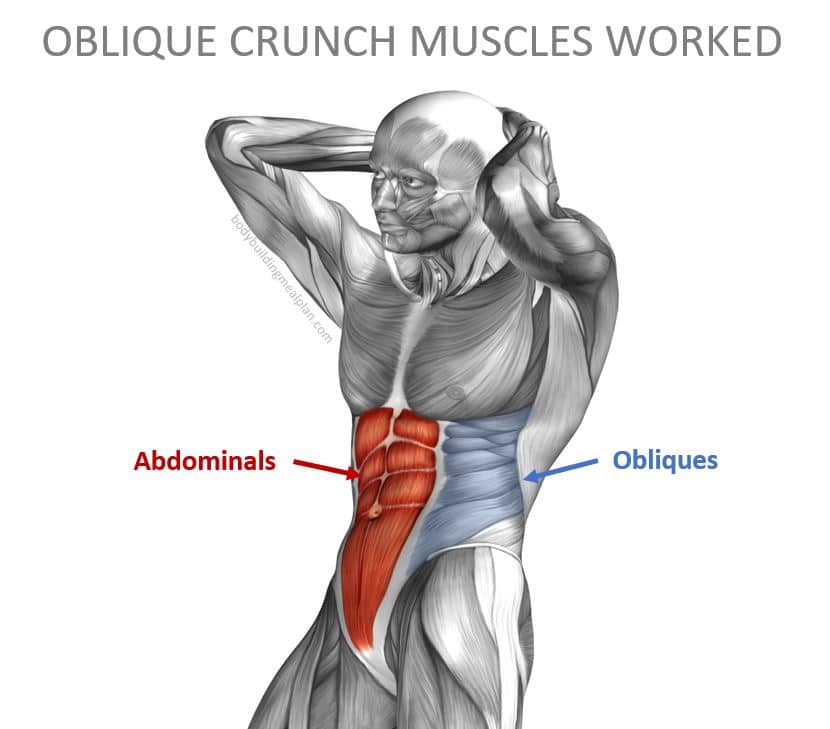
During a standard crunch exercise, you primarily work your rectus abdominis or abs. These are the small rectangular muscles that make up the front of your abdomen.
But with twisting crunches, you also activate the feather-like muscles along the side of your abdomen. Also known as the obliques.
How To Do Oblique Crunches
When performing oblique crunches, the key is adding a slight rotation of your torso as you perform the movement. For example, you could aim your left elbow towards your right knee. And vice versa for the other side.
This technique results in just enough twisting to activate your obliques. However, each crunch exercise is different. So let’s look at them individually.
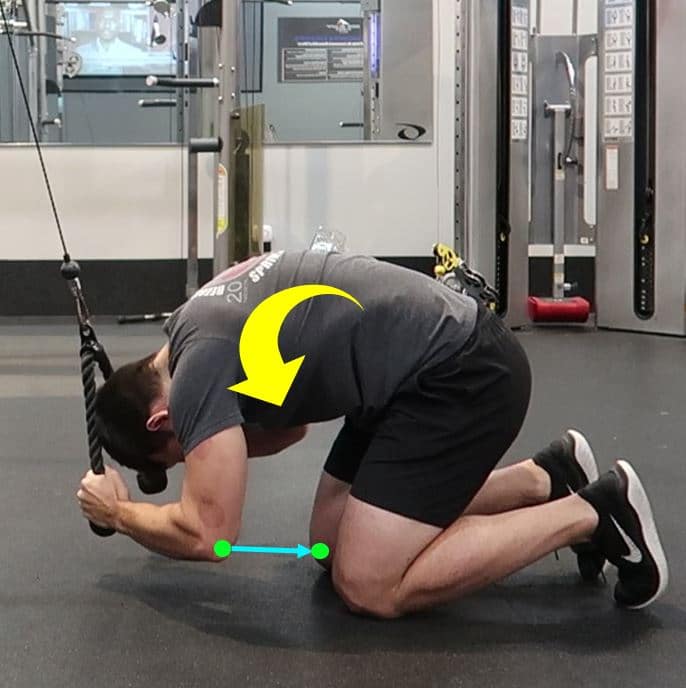
An example of how to do oblique crunches with a rope cable attachment.
7 Ways To Do Oblique Crunches
In this section, I’ll show you how to do the most common oblique crunch exercises. Some are more challenging than others. So you may need some practice before attempting the advanced movements.
1. Standing Oblique Crunch
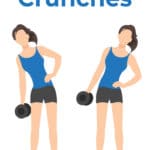
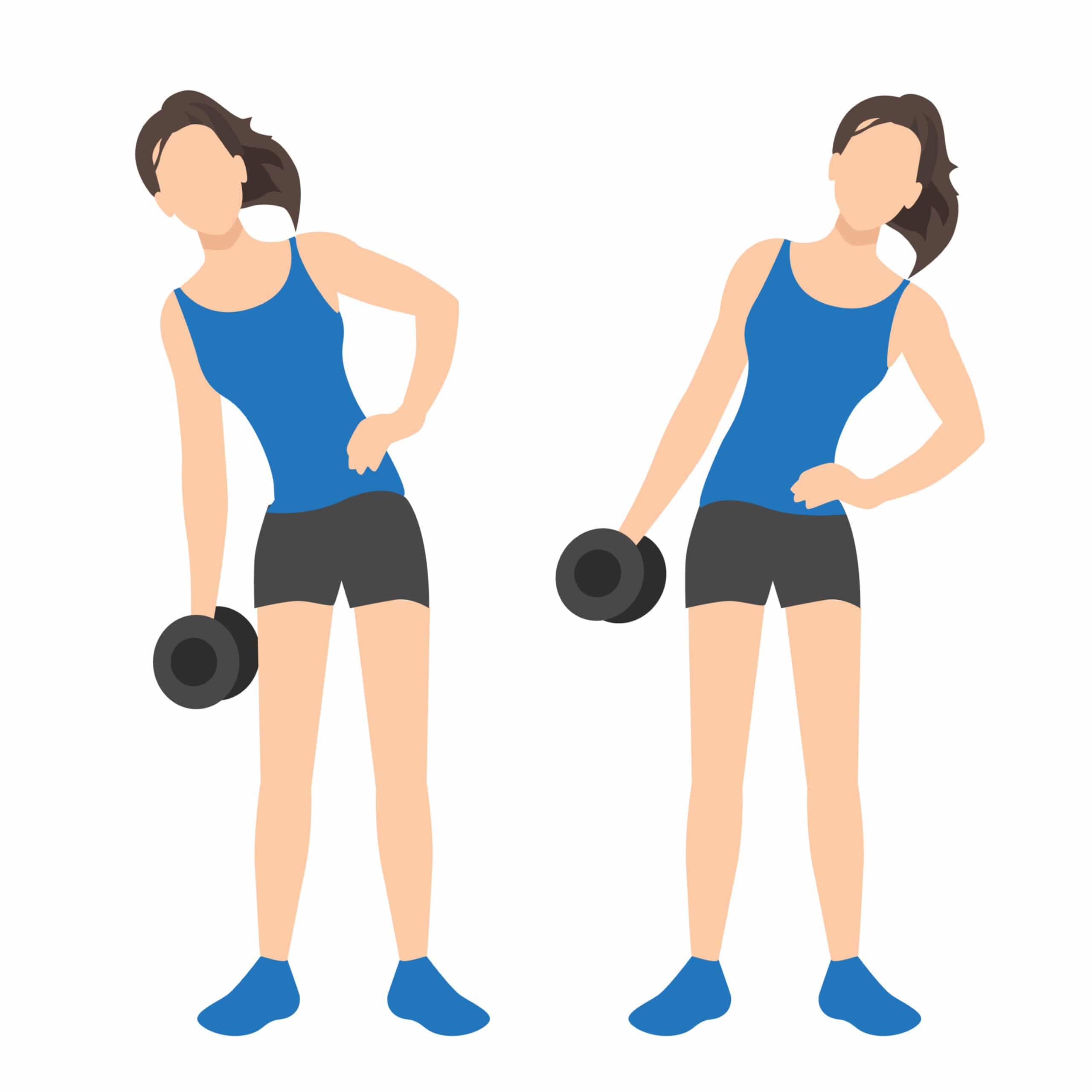
One of the simplest oblique crunches involves standing and bending to the side while holding a weight. It’s also sometimes called a side oblique crunch, side bend, standing cable oblique crunch, or dumbbell oblique crunch.
For this exercise, hold a dumbbell or cable in one hand. Then bend your upper body slightly away from the side with the weight. Also, make sure you switch sides after you complete the first set.
The oblique muscles opposite of the weight must contract to balance and bend your upper body. While this does do a pretty good job of isolating the side obliques, the range of motion is quite small. For this reason, it’s not one of my favorite oblique exercises.
Floor Oblique Crunches
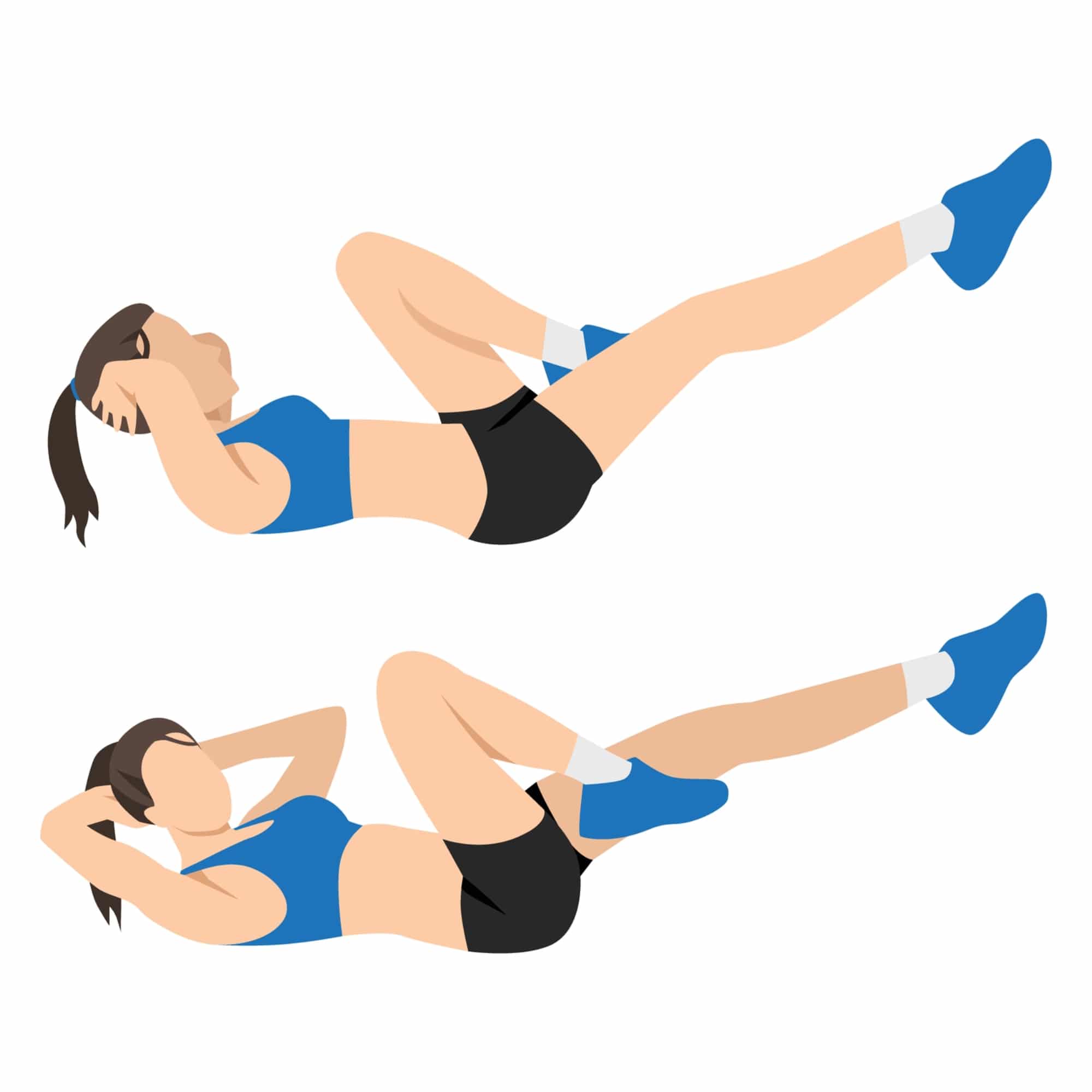
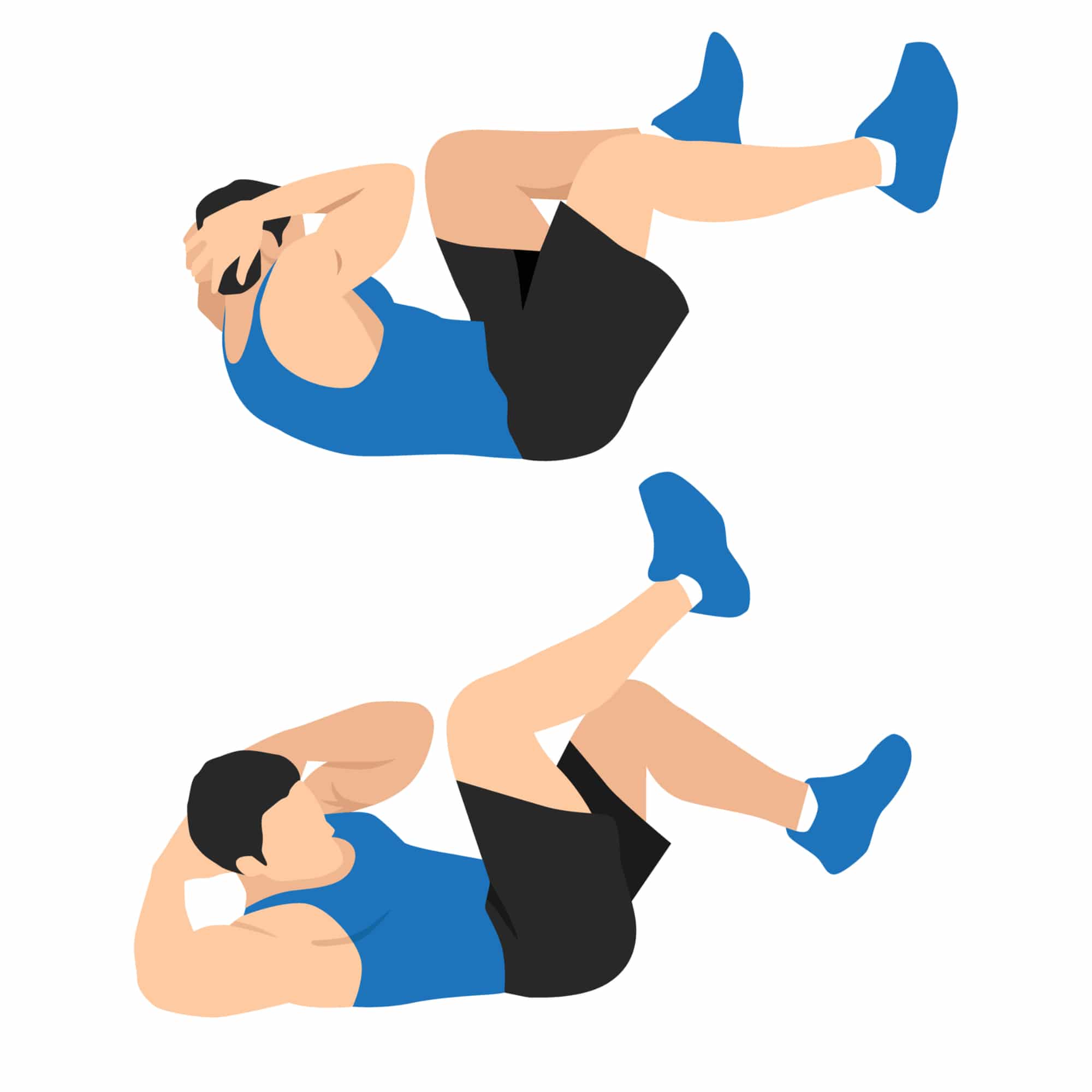
Another simple oblique exercise is a variation on the traditional floor crunch. In this exercise, you aim your elbow at the opposite knee as you do the crunch movement.
In addition, you can lift your feet off the floor and pull your knee towards the opposite elbow. This helps you contract your obliques more and brings the hip flexors into the movement.
Cable Oblique Crunches
Weighted cable crunches are performed in a kneeling position while holding an attachment such as a rope. Often this exercise is referred to as a rope crunch.
As with the floor crunch, you rotate your body by aiming your elbow at the opposite knee. One benefit is that you get more stretch through your abs since your back is not against the floor.
My YouTube channel has dozens of videos showing you how to do a variety of bodybuilding exercises. You’ll learn how to target and build specific muscle groups in 90 seconds or less. Click HERE to subscribe, or click on the button below!
Hanging Oblique Crunches
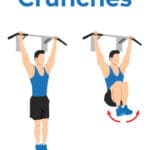
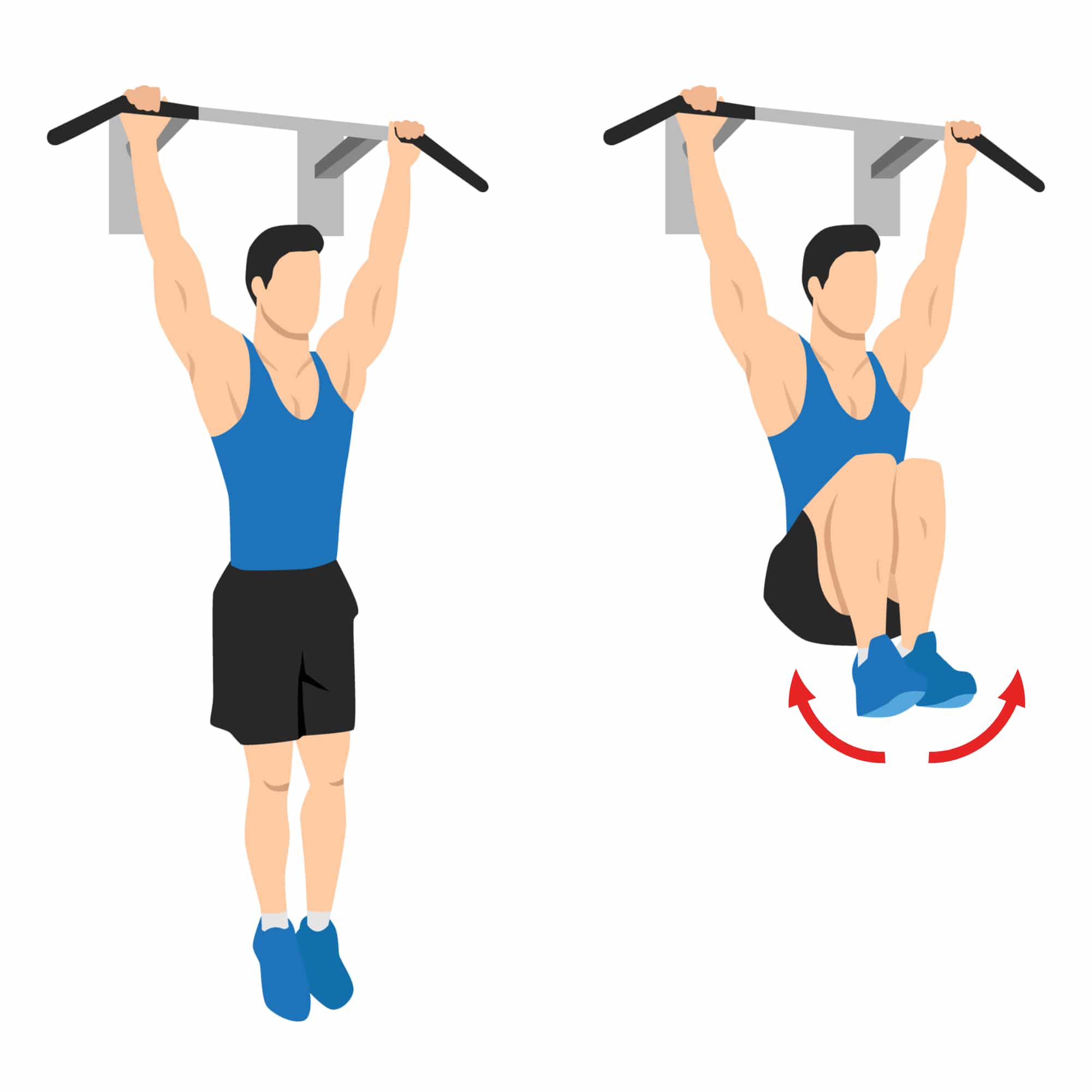
Hanging oblique crunches are a more advanced movement requiring a good amount of core strength. While hanging from a pull-up bar, you pull your knees towards your chest.
To target your obliques, rotate your feet as you lift your knees. Your shin bones should be at about a 45-degree angle when your knees are bent.
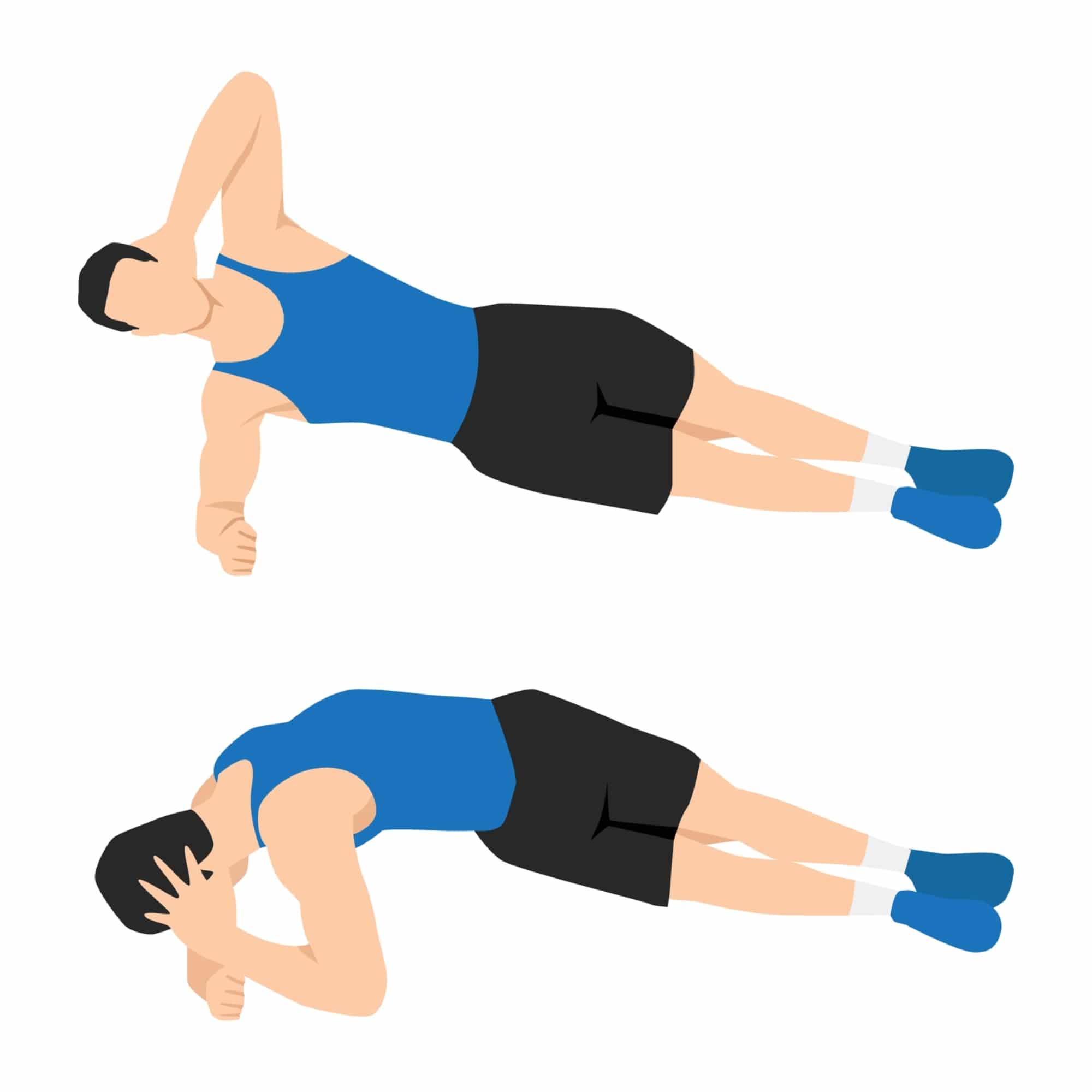
Side Plank Oblique Crunch
The side plank is normally an isometric exercise. This means your muscles are under tension as you hold your body still.
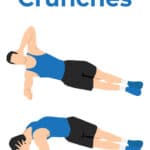
But you can target your obliques by rotating your top shoulder forward and down. Make sure you switch sides and repeat after completing a set.
Decline Oblique Crunches
Decline crunches are similar to floor crunches except your body is at a downward angle. And that decline forces you to work harder against gravity and makes the crunch more challenging.
To target your obliques, use the same twisting motion you use for floor crunches.
Swiss Ball Oblique Crunches
Lastly, is the Swiss ball crunch. This is also similar to a floor crunch except you’re laying with your back on a large exercise ball. The ball does a couple of things to step up the difficulty.
First, you must be able to balance your body so you don’t fall. Second, the ball increases the range of motion since your body can bend back slightly at the bottom.
To make this an oblique crunch exercise, rotate your shoulders slightly as you perform the movement.
Custom Nutrition & Workout Plan
Get a personalized meal plan designed to fit your body and lifestyle. Including a custom workout routine built around your schedule and fitness goals.
All this for just $24.99! Click here to choose your plan.
10 Tips For Getting Abs
Oblique crunches are great for increasing your overall core development. But if you really want to get a six-pack, you have to reduce overall body fat.
To do this you need a mix of diet, exercise, and maybe some supplements. So if you want a six-pack sooner, check out my 10 tips for how to get abs faster.

With this information, you’ll be well on your way to reaching your fitness goals. And if you found this exercise tutorial helpful, click on the articles below for more workout tips!

5 Reasons To Skip A Cold Shower After Workout
Should you take a cold shower after your workout? Here are the top 5 reasons you should stop freezing your butt off for no reason!

How to Use Body Recomposition to Transform Your Body
Learn if body recomposition is the right goal for you. And get body recomp diet and workout tips to burn fat and build muscle simultaneously!

Yohimbine for Weight Loss: Everything to Know Before Taking It
Yohimbine is a controversial supplement. But it could have benefits for burning stubborn fat. Find out if it works and if it's safe to use.

11 Barbell Chest Exercises With or Without Bench
No dumbbells, cables, or machines? No problem. Get back to basics with these barbell chest exercises for building big pecs.
Dr Mike Israetel Height, Weight, & Training Principles
Learn about Dr. Mike Israetel's height, weight, and hypertrophy training program. How he grew his YouTube channel and his physique.