Best Time to Take CLA
Maximizing Body Composition Benefits
By: Jeremy Fox, CNC, CPT – Updated: February 29, 2024
Conjugated Linoleic Acid (CLA) supplements are popular among people who want to improve their well-being and manage their weight. Knowing when to take CLA is essential for maximizing its potential health benefits.

Key Points In This Article
- Taking CLA supplements with meals may increase absorption.
- There may be benefits to taking CLA around workouts.
- The timing of CLA supplementation may vary depending on your goals and lifestyle.
What Is CLA?
Conjugated Linoleic Acid (CLA) is an essential fatty acid with a unique double-bond structure. It’s believed to impact body composition by reducing body fat while maintaining or increasing lean muscle mass when combined with exercise.
Natural Sources of CLA
Your body cannot produce CLA on its own, so it must come from your diet. You can find CLA in various food sources, such as dairy products and meat from ruminants such as cows.
- Dairy Products: Especially from cows fed with grass.
- Meat: Higher levels in grass-fed beef compared to grain-fed.
Unfortunately, you’d have to eat something like 10 pounds of beef daily to get the amount of CLA needed for health benefits. That’s why people turn to a dietary supplement for CLA.
CLA in Supplements
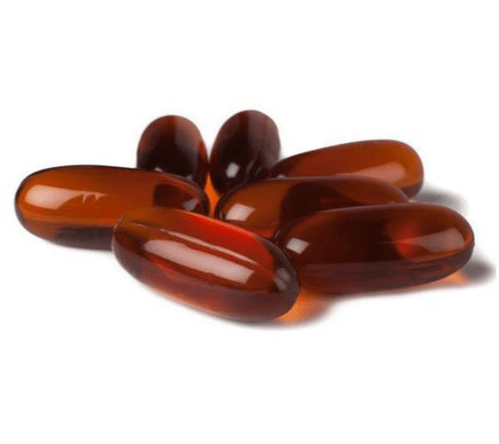
Supplements offer a higher dose of CLA than what can be obtained from your diet alone. CLA supplements are usually a soft gel derived from safflower oil or other vegetable oils.
It’s important to know that isomers called T10C12 and C9T11 are the active ingredients that have been researched in clinical studies. About 80% of safflower oil is made of a mixture of these two isomers, which makes it a more potent source of CLA than meat or dairy.
Health Benefits of CLA
Conjugated linoleic acid has been researched for its potential effects on body composition and metabolic processes. Its influence on the immune system is another area of interest in health science.
- Metabolic Rate: CLA may play a role in enhancing your metabolic rate. This means your body could potentially burn more calories at rest when CLA is included in your diet.
- Blood Sugar Control: Taking CLA may improve insulin function, which allows your body to process carbohydrates more effectively.
- Weight Loss: The improved metabolic rate and blood glucose function associated with CLA could contribute to weight loss. CLA may also affect the way your body stores fat.
- Body Composition: Consuming CLA may influence the proportions of fat and lean muscle mass in your body. However, results may vary and are influenced by your overall diet and exercise regimen.
- Immune System: Some evidence points to the possibility that CLA positively affects your immune response, but the exact mechanisms and outcomes are still under investigation.
Most people are interested in conjugated linoleic acid for fat loss. Here is a detailed look at how CLA impacts weight management.
CLA for Weight Loss
CLA is thought to promote fat loss through several mechanisms, including enhancing fat metabolism and reducing fat storage in your body. Research indicates that CLA can help increase the rate at which your body burns body fat, which may lead to overall weight loss.
- Lipid Metabolism:
- Enhances fat breakdown (lipolysis)
- Inhibits fat production (lipogenesis)
- Induces apoptosis in adipose tissue (fat cell death)
Improving insulin sensitivity is another potential benefit of CLA supplementation. Better insulin sensitivity means your cells can use glucose more efficiently, which is beneficial for weight management and may reduce the risk of insulin resistance, a condition often associated with obesity and type 2 diabetes.
- Insulin-Related Effects:
- Potentially improves glucose metabolism
- May reduce the risk of developing insulin resistance
While the primary focus of CLA supplementation is often on fat reduction, it may also positively impact lean muscle mass. Preserving muscle mass during weight loss is crucial because it helps maintain metabolic rate and overall body composition.

CLA Dosage & Timing
For most adults, a daily intake of 3,000 to 6,000 milligrams (mg) of CLA is suggested for general health benefits and weight management.
The higher range may be more beneficial if you’re targeting weight loss. Additionally, you may need to adjust your CLA dosage based on your body weight.
Taking large doses of CLA beyond the recommended amount can lead to adverse effects. Exceeding 6,000 mg daily is generally not advised due to the increased risk of side effects.
Best Time to Take CLA
The timing of conjugated linolenic acid supplements may affect its potential efficacy. Understanding when and how much CLA you should take to align with your health objectives is essential.
- Before a Workout: Taking CLA before resistance training or cardio exercise is often recommended, as it may help to increase metabolic rate. However, the evidence supporting this timing is not definitive.
- With Meals: For general supplementation, consider pairing CLA with meals to help mitigate any digestive discomfort and potentially reduce fat.
- Throughout the Day: The total daily CLA dose should be split into two or three equal doses to maintain steady levels in your system. This is suggested to maximize its availability and potential benefits.
For example, you might take one dose of CLA with breakfast, another with your pre-workout meal, and a final dose with dinner. Ensure your total daily intake does not exceed the recommended amount specified by the product or your health professional.

Scientific Research on CLA
Conjugated linoleic acid has been studied in various contexts to understand its benefits and effects on health. Preliminary research from animal studies showed promising results for CLA. However, human studies have had varied results, and our understanding of CLA is still evolving.
When assessing a supplement’s effectiveness, looking at a meta-analysis of human trials can be helpful. This is essentially a roundup of relevant studies and their outcomes. Here are some meta-analyses surrounding CLA:
| Study Year | Publication | Studies Included | Results |
|---|---|---|---|
| 2016 | Journal of Functional Foods | 9 | Small Reduction in Body Weight (-0.51kg) |
| 2012 | European Journal of Nutrition | 7 | Small Reduction in Body Weight (-0.7kg) & Body Fat (-1.33kg) |
| 2005 | Asia Pacific Journal of Clinical Nutrition | 13 | Small Reduction in Body Weight (-0.67kg) & Body Fat (-1.13kg) |
| 2007 | American Journal of Clinical Nutrition | 18 | Small Reduction in Body Fat (-0.05kg/wk) |
Note: This is a summary of meta-analysis results. Click on the publication for full details.
All of the meta-analyses concluded that CLA supplementation has a statistically significant effect in reducing body weight and body fat mass compared to the placebo group.
Based on these studies, the average amount of body fat lost in 6 months of CLA supplementation was 1.24 kg or 2.7 lbs. In all cases, fat loss was greater than total body weight loss, indicating a simultaneous increase in lean mass.
However, researchers had concerns with differences in design and methods. Therefore, they suggest more long-term trials are needed to determine the effectiveness of CLA on body composition in humans.
Side Effects and Precautions
When taking CLA, being aware of potential side effects and exercising appropriate precautions is crucial. Understanding these can help you optimize your intake while minimizing risks.
Adverse effects from CLA supplementation could vary based on dosage and individual response. Some commonly reported side effects include:
- Gastrointestinal issues: Instances of stomach pain, diarrhea, and nausea.
- Metabolic changes: Altered lipid profiles, including reduced HDL (good cholesterol) levels.
- Inflammation: Some studies suggest an increase in inflammatory markers.
By keeping track of these factors, you can help ensure that your experience with CLA is as safe and effective as possible.
Note: Consult your healthcare provider immediately if you experience severe side effects.
Best CLA Supplement
Dozens of CLA supplements are on the market, so it’s essential to research before buying or taking anything. A good CLA supplement should be made from natural ingredients, have high potency, and be cost-effective.
Natural
Some studies have associated synthetic versions of isolated conjugated linoleic acid with adverse effects. So, it’s best to stick with supplements made with safflower oil, which naturally contains a balance of the active CLA compounds.
Potent
The recommended dose is 3,000 to 6,000 mg daily, so it’s essential to check the label to see how much CLA the supplement contains. A typical safflower oil supplement contains about 80% conjugated linoleic acid, but a potent supplement will contain up to 95%.
For example, I use Sports Research CLA 1250, which is 95% conjugated linoleic acid. This supplement contains 1,187 mg per softgel compared to 780 mg in a less potent supplement.
Check out the short video below to see why I continue buying this brand of CLA.
Affordable
Most people look at the total price when searching for an affordable supplement. However, the more expensive supplements are often cheaper in terms of the cost per serving.
With Sports Research CLA, you only need to take five capsules a day instead of six, saving you money. The recommended dose costs just $11.48 a month!
CLA Frequently Asked Questions
In this section, you’ll find targeted answers to common inquiries about the timing and dosage of CLA for varied benefits.
Is there an ideal time of day to take CLA for maximum benefits?
You may take CLA with meals to help reduce body fat. The time of day is less critical than consistent daily intake.
Should CLA be taken before or after workouts for optimal results?
Taking CLA before workouts can help provide a potential increase in metabolic rate. However, its effects are not acutely tied to exercise timing.
What is the recommended daily dosage of CLA for weight loss?
The typical dosage is around 3 to 6 grams of CLA per day, split between meals, to promote weight loss.
How long should I expect to take CLA before noticing effects?
It can take several weeks to a few months to observe noticeable results. Consistency in taking CLA is vital.
Can CLA be effective for reducing abdominal fat specifically?
CLA has been studied for its ability to reduce body fat, including abdominal fat, but individual results can vary.
Is it necessary to adjust CLA intake based on whether I am exercising or not?
Your CLA intake does not need to change. Whether it’s an active day or a rest day, stick to the recommended daily dosage.
Concluding Thoughts on CLA Supplementation
CLA may influence resting energy expenditure and fat metabolism, so some people use it as a weight-loss supplement. However, the effectiveness and safety of such supplementation can vary.
Discussing CLA supplementation with a healthcare provider is crucial, especially if you have underlying health conditions or are taking other medications. Also, pay attention to how your body responds to CLA and report any adverse effects to your healthcare provider.
Lastly, taking CLA supplements is not a magic solution for weight management, but when paired with a healthy diet and exercise, it can support your goals.

Metabolic Type Quiz to Determine Your Ideal Diet
Metabolic type quiz helps you find your ideal diet with 9 simple questions. Learn how to eat for your metabolic type and transform your body.

I Did Only Pull Ups for 100 Days, Here’s What Happened
For 100 days, I only did pull-ups to train my back. This is how my back progressed from this pull-up only back workout, including the before and after.

6 Best Post-Workout Meal Ideas
The post-workout meal is the most important meal of the day. Give your body the right nutrients after training to gain muscle & lose fat.

How To Do Smith Machine Hack Squat To Target Quads
Hack squats are great for building quads. But most gyms don't have a hack squat machine. In that case, you need the Smith machine hack squat.

Does Pre Workout Go Bad? (& How To Know If You Can Still Use It)
You found an old tub of pre-workout in the back of the cabinet. Now you're faced with the question "does pre-workout go bad?"

Ghrelin: 7 Ways to Reduce Hunger
Learn 7 proven ways to reduce ghrelin. So you can lose weight without feeling hungry all the time.

7 Best Cheap Pre-Workout Supplements By Category [2025]
Save money with the best cheap pre-workout supplements for energy, stamina, and pumps. Plus, pre-workouts ranked by cost per serving.